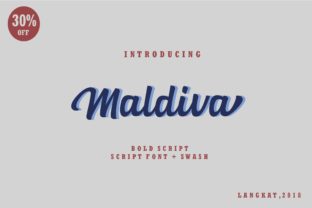
Maldiva Font: Elegant Script for Web Design
In the competitive landscape of digital design, typography is often the primary differentiator between a generic template and a memorable brand experience. As web designers and UI creators, we constantly search for typefaces that balance aesthetic appeal with functional clarity. Maldiva is a classic, handwritten font that brings a sophisticated, organic texture to digital interfaces. Unlike rigid geometric sans serifs or traditional serifs, this script amp category typeface introduces a human element to screens, making it an invaluable asset for projects requiring warmth, elegance, and distinct personality.
Elevating Visual Hierarchy in Hero Sections
The most immediate application for Maldiva in web design is within hero sections and primary headers. When designing landing pages or homepages, the goal is to capture attention within seconds while communicating brand tone. Maldiva’s flowing, handwritten characteristics create a natural focal point that guides the user’s eye without feeling aggressive. Its elegant curves suggest craftsmanship and attention to detail, making it particularly effective for boutique e-commerce stores, creative portfolios, and lifestyle brands.
However, using a display font like Maldiva requires strategic restraint. It performs best when used for short, impactful phrases rather than long sentences. In a conversion-focused layout, consider using Maldiva for the main value proposition or emotional hook, while reserving clean sans serif fonts for subheadings and explanatory text. This contrast establishes a clear visual hierarchy, ensuring that the decorative elements enhance readability rather than hinder it. The font’s inherent rhythm helps break up the monotony of grid-based layouts, adding a layer of editorial sophistication to standard web structures.
Optimizing Readability Across Digital Devices
A common challenge with script fonts in UI design is maintaining legibility across varying screen sizes. Maldiva addresses this through balanced letterforms that retain their integrity even when scaled. For responsive web design, it is crucial to test this typeface on mobile viewports. While it shines at large sizes on desktop monitors, mobile implementations may require adjusted line heights and letter spacing to prevent characters from touching or becoming indistinct.
When implementing Maldiva on dark backgrounds or over complex imagery, ensure sufficient contrast ratios are met. Handwritten fonts can sometimes lose definition against busy textures. Using a subtle text shadow or a semi-transparent overlay behind the text can preserve the font’s delicate strokes without sacrificing accessibility. For light backgrounds, the font’s natural weight provides excellent presence, but designers should avoid using it for body copy or navigation menus where rapid scanning is essential. Reserve Maldiva for moments of emphasis—quotes, signatures, special offers, or section dividers—to maintain its premium feel and prevent visual fatigue.
Strategic Font Pairing for Brand Identity
Maldiva does not exist in a vacuum; its effectiveness relies heavily on thoughtful pairing. To create a cohesive digital identity, pair this handwritten typeface with neutral, highly readable companions. A modern geometric sans serif font creates a striking contemporary contrast, allowing Maldiva’s organic lines to pop against structured simplicity. This combination works exceptionally well for SaaS platforms or tech-forward brands wanting to soften their corporate image.
Alternatively, pairing Maldiva with a classic serif font evokes a more traditional, editorial aesthetic. This approach is ideal for fashion magazines, luxury product pages, or heritage brands establishing an online presence. The key is to let Maldiva act as the "voice" of the brand while the supporting typeface handles the heavy lifting of information architecture. By limiting Maldiva to specific touchpoints—such as logo text, newsletter headers, or testimonial highlights—you create a consistent visual language that reinforces brand recognition without overwhelming the user interface.
- Hero Titles: Use for main headlines to establish immediate emotional connection.
- Call-to-Action Accents: Apply to button labels or promotional badges to draw attention organically.
- Editorial Elements: Perfect for pull quotes, blog post introductions, or signature blocks.
- Social Media Graphics: Maintains brand consistency across Instagram stories, Pinterest pins, and ad creatives.
- Packaging and Merchandise: Translates seamlessly from web to physical product labels and unboxing experiences.
Practical Applications for Conversion and Engagement
Beyond aesthetics, typography influences user behavior and trust. In e-commerce environments, Maldiva can signal authenticity and artisanal quality, which are powerful drivers for niche markets. When used on product pages or "About Us" sections, the handwritten style mimics personal communication, reducing the psychological distance between brand and consumer. This is particularly effective for coaching websites, course sales pages, and personalized service providers where trust is the primary conversion metric.
For digital ads and banners, Maldiva offers a way to stand out in crowded feeds. Standardized ad formats often rely on bold, blocky typography; introducing an elegant script can disrupt pattern blindness and increase click-through rates. However, always prioritize clarity in small-format ads. If the platform restricts font rendering, use Maldiva as part of a flattened image asset rather than relying on webfont loading, ensuring the design remains intact regardless of technical constraints.
Technical Considerations and Licensing
Before integrating Maldiva into a live project, verify the technical specifications and licensing terms. As a premium font, ensuring you have the correct commercial license is non-negotiable for client work, online stores, and digital products. Check whether the license covers web embedding (@font-face), app usage, and social media graphics, as these categories often have separate tiers. Additionally, review the included file formats; OTF and TTF are standard for design software, but WOFF2 is essential for optimal web performance and faster load times.
Explore the font’s OpenType features if available. Many high-quality script fonts include alternate characters, ligatures, and swashes that allow for custom logo design and unique header treatments. These extras enable designers to avoid repetitive letterforms and tailor the typography to specific layout needs. Multilingual support is another critical factor for global brands; confirm that Maldiva supports the necessary character sets for your target audience to maintain brand consistency across different language versions of your site.
Ultimately, Maldiva serves as a versatile tool for digital creators seeking to infuse their work with elegance and humanity. Whether refining a luxury landing page, crafting a distinctive logo, or adding warmth to a corporate interface, this typeface bridges the gap between artistic expression and functional web design. By respecting its strengths and adhering to usability best practices, designers can leverage Maldiva to build digital experiences that are not only visually stunning but also deeply resonant with users.